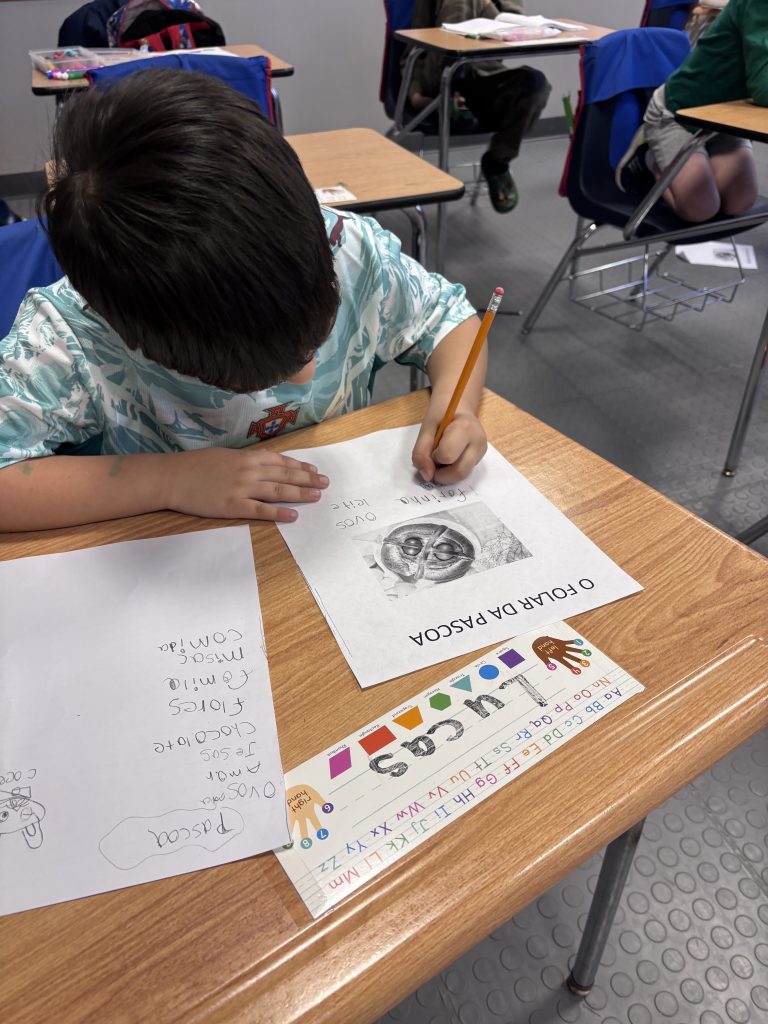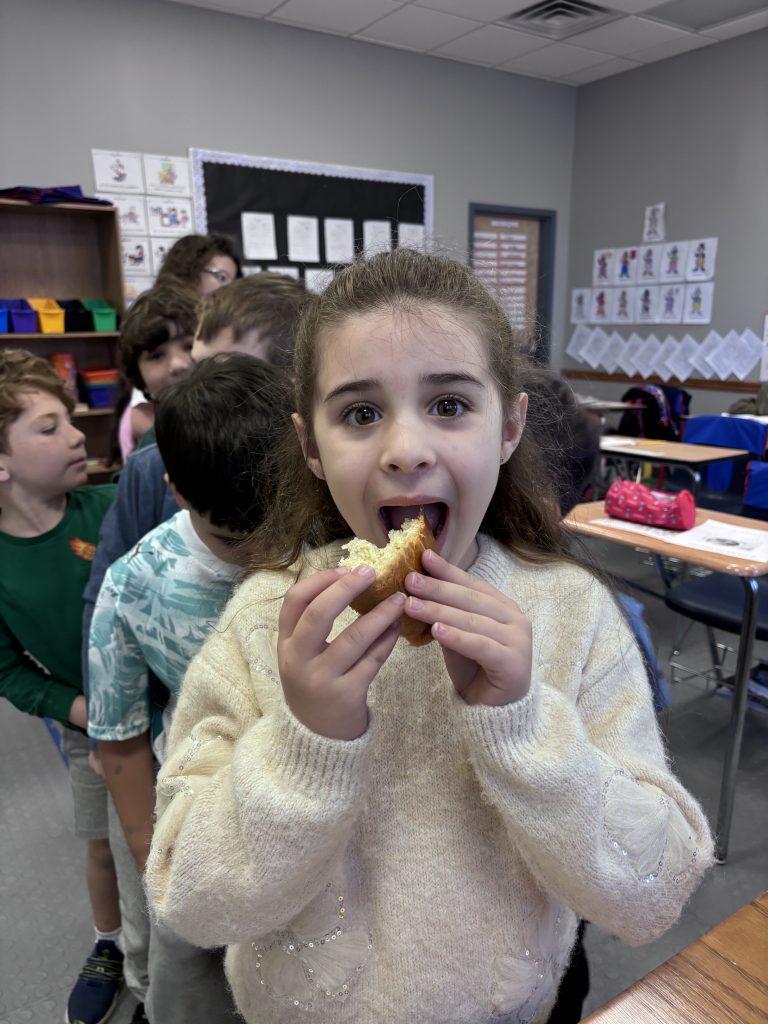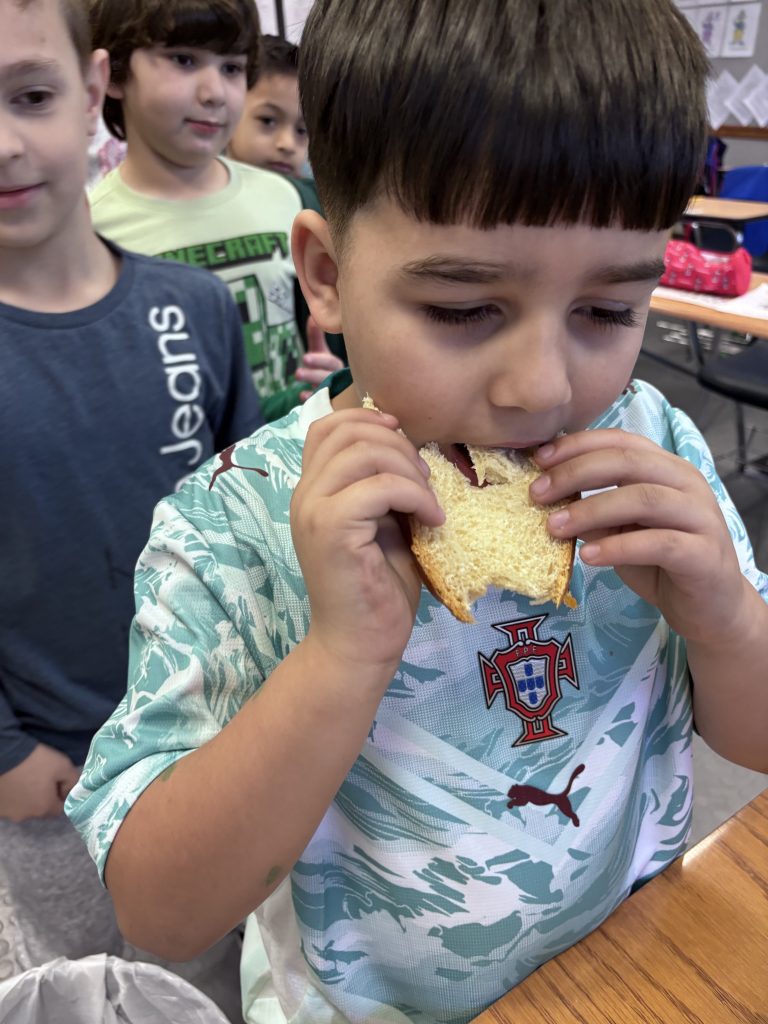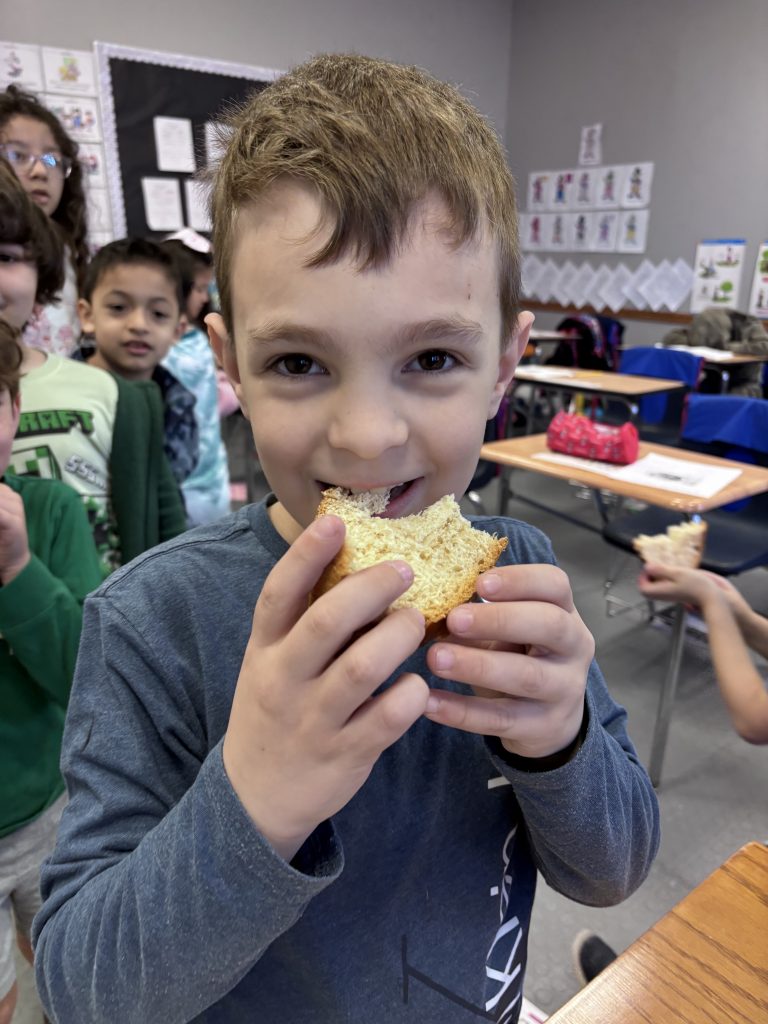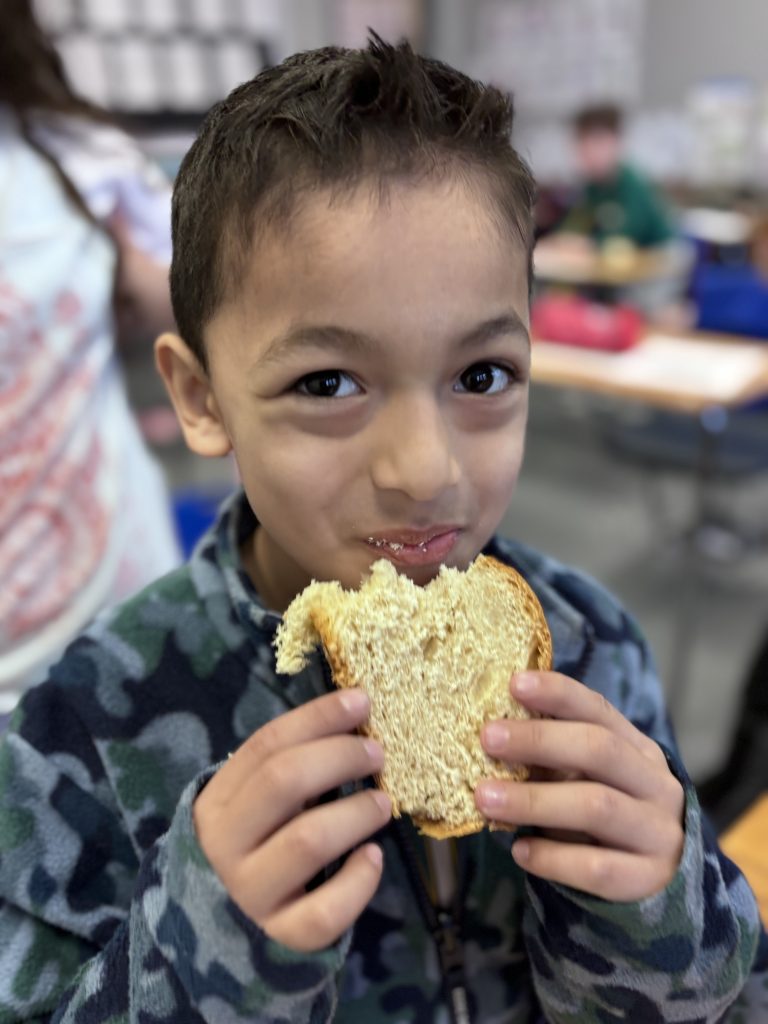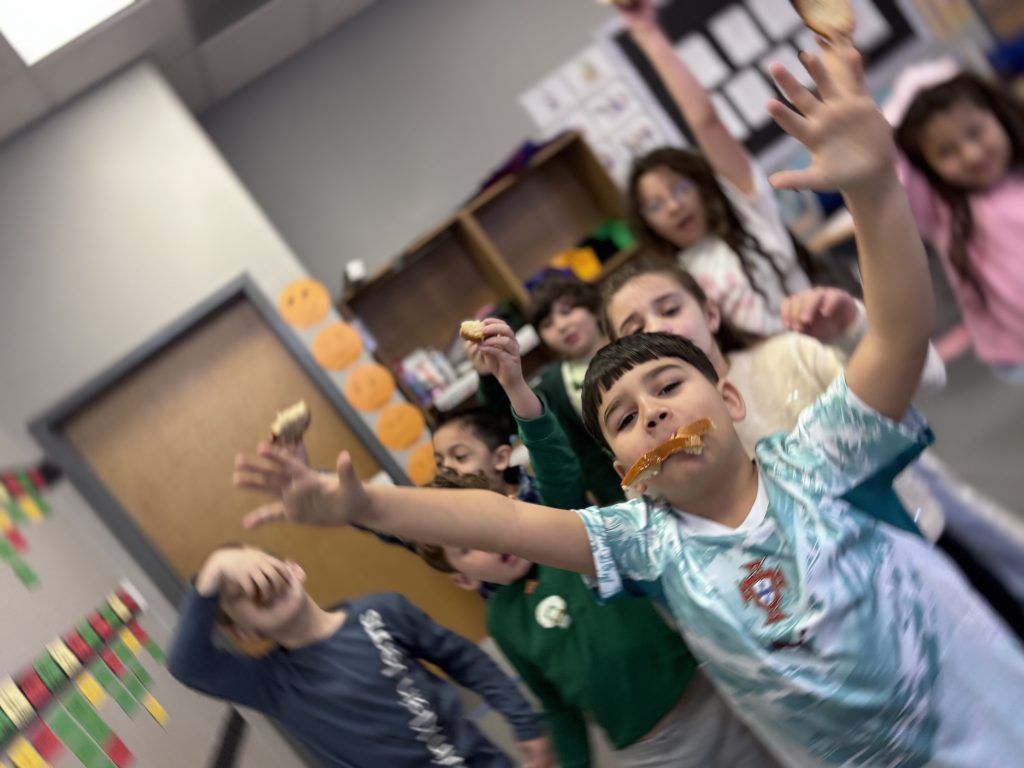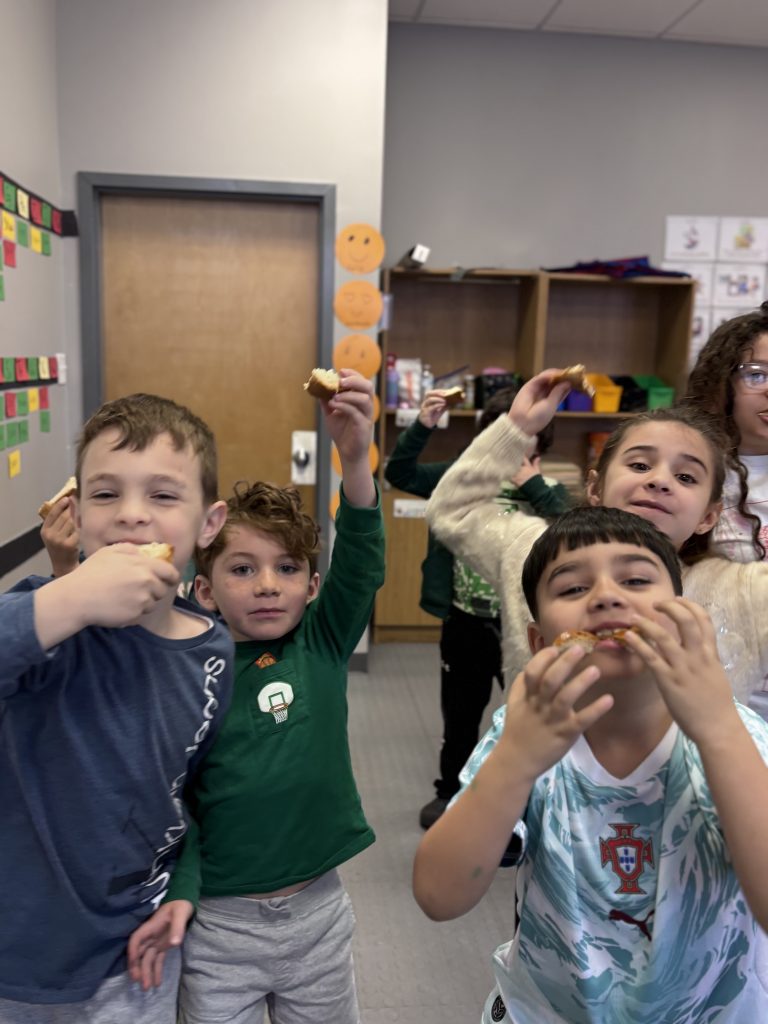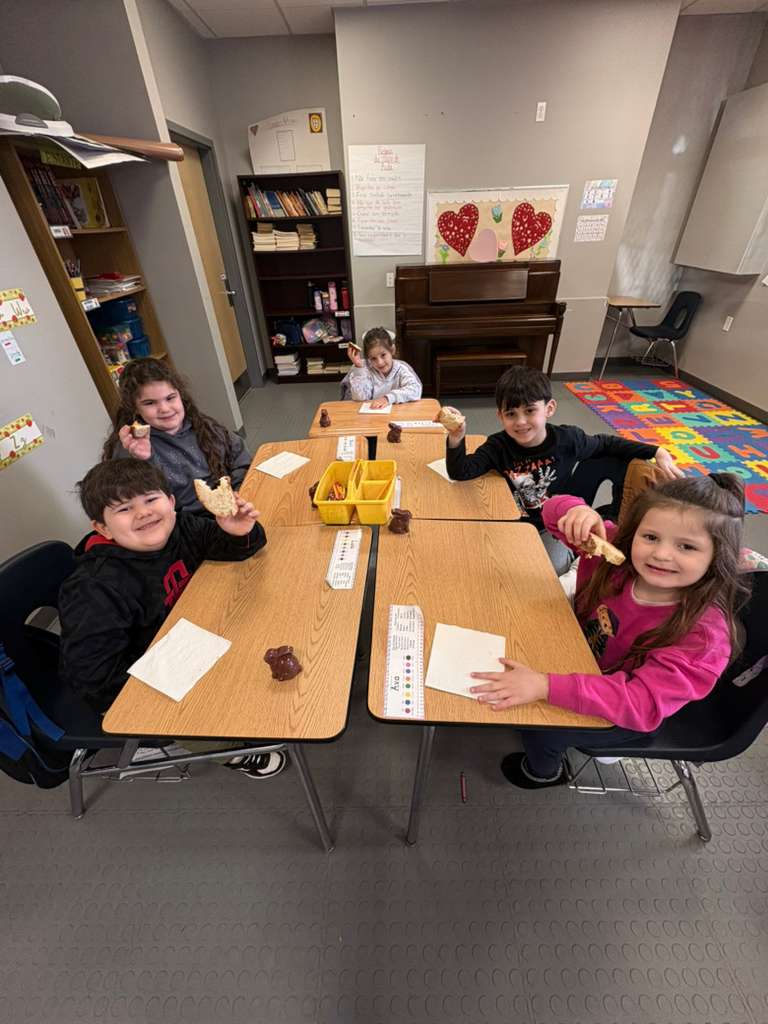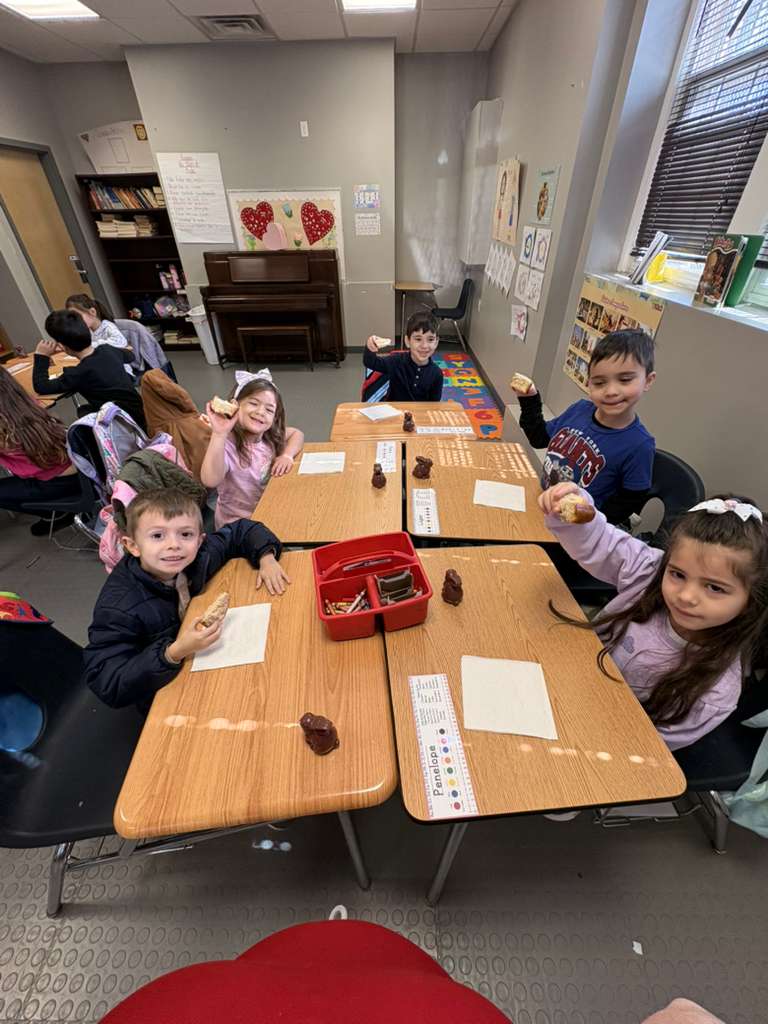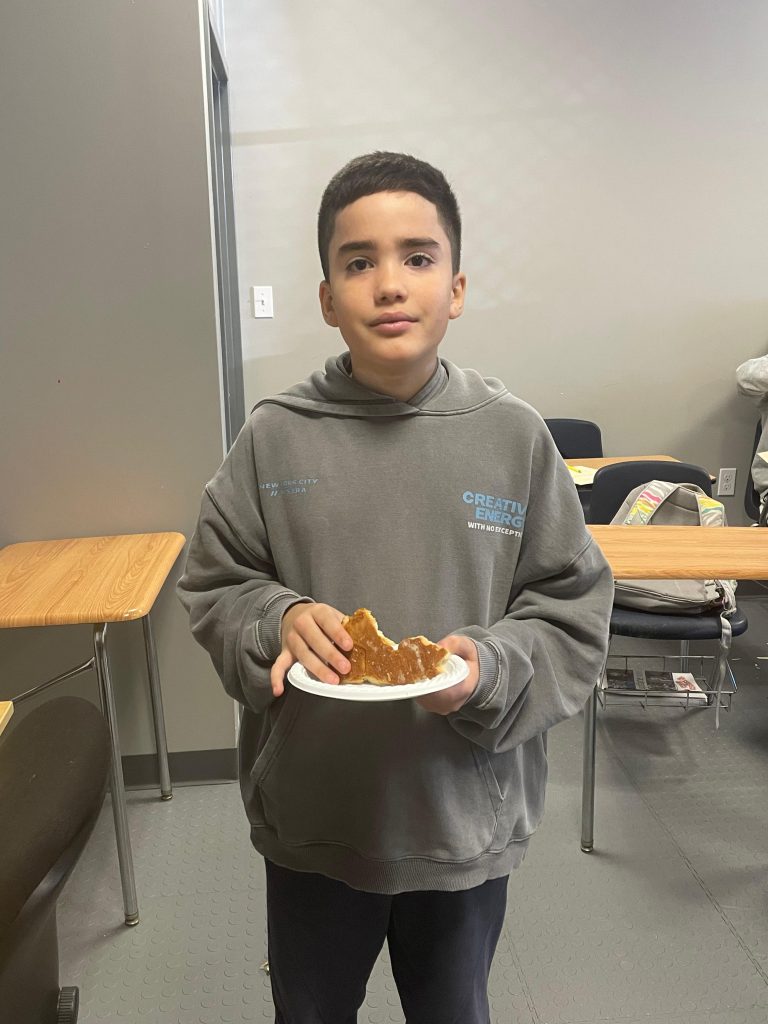
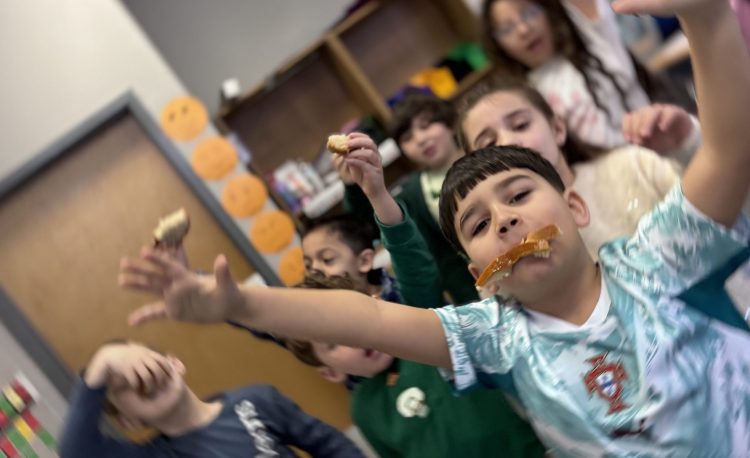
At the Warren and Newark campuses, students learned about and tasted one of Portugal’s most cherished Easter traditions, bringing language, culture, and heritage together in a meaningful way.
At Escola Luís de Camões, learning Portuguese is about much more than vocabulary and grammar. It is also about helping students experience the traditions, stories, and flavors that are such an important part of Portuguese culture.
That is exactly what happened on Friday, March 27, at the Warren campus, and on Saturday, March 28, at the Newark campus, when students had the opportunity to learn about and taste the traditional Folar da Páscoa. The activity was received with great enthusiasm, and for many students, it was their very first time trying this beloved Portuguese Easter treat.
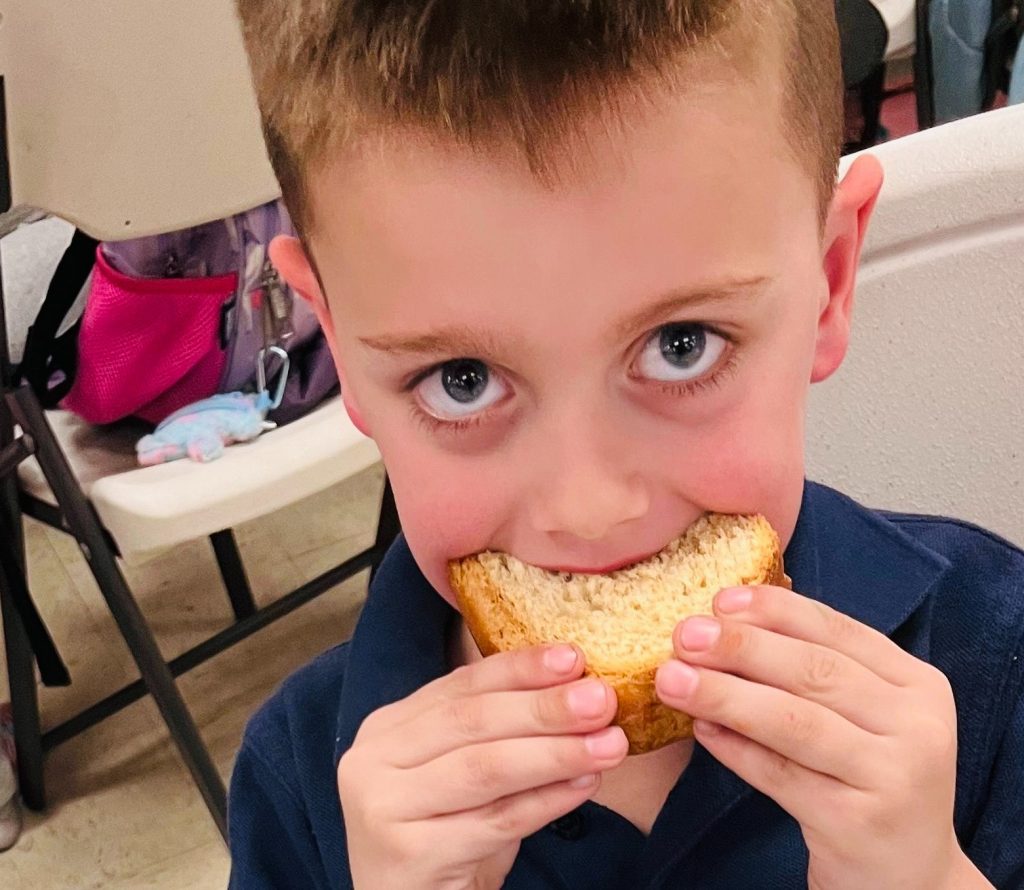
The experience gave students a special opportunity to connect with Portuguese culture in a hands-on and memorable way. By learning about the folar and tasting it for themselves, students were able to see how traditions are passed down from generation to generation, carrying with them values, memories, and a strong sense of identity.
At Escola Luís de Camões, these moments are an important part of our mission. We want students not only to learn the Portuguese language, but also to feel connected to the cultural heritage that gives the language its deeper meaning. Experiences like this help make learning richer, more engaging, and more meaningful.
The joy and curiosity shown by the students made it clear how valuable these cultural experiences are. For some, it was the discovery of a new flavor. For others, it was a moment of connection to family traditions. For all, it was an opportunity to celebrate a beautiful part of Portuguese culture together.
About Folar da Páscoa
Folar da Páscoa is a traditional Portuguese Easter bread or cake that holds special meaning during the Easter season. In many parts of Portugal, it is associated with sharing, family, friendship, and reconciliation.
According to legend, the tradition is connected to a young woman named Mariana, who asked Saint Catherine for help in choosing between two suitors. After much worry and prayer, a miraculous cake decorated with whole eggs and flowers appeared, symbolizing peace and reconciliation. Over time, this cake became known as folar.
Traditionally, during the Easter celebrations, godchildren would offer their godmother a bouquet of violets on Palm Sunday, and on Easter Sunday, the godmother would give them a folar in return. Today, folar remains one of the most cherished symbols of Portuguese Easter traditions and an important expression of generosity, affection, and family bonds.